Open today Charlotte (704) 957-5323
Greater Charlotte Contracting
Home Restoration After Damage

Charlotte Local

Home Restoration After Damage

Storm, water, or wear, we assess the damage honestly and fix what actually needs fixing.

Free estimate

Tell us what you need

Three fields. It reaches a person here, not a call centre.

No obligation · Responds within 1 business day


By submitting this form you agree that we may contact you about your request and share your details with partner companies for marketing purposes.

What Restoration Work Actually Covers

Restoration is repair and rebuild work that follows damage, water intrusion, storm impact, rot, or years of deferred maintenance that have finally caught up with a structure. Greater Charlotte Contracting handles this kind of work across the Greater Charlotte metro, and it's not the same as what a disaster-franchise does. There's no emergency hotline here, no 2 AM call dispatch. What you get is a contractor with 20+ years of hands-on construction experience who shows up Monday through Friday, looks at the damage with you, and tells you what actually needs to be done, not what generates the biggest invoice. Call (704) 957-5323 to get eyes on it.

Restoration scope varies more than almost any other type of project. A small water leak that got caught early might need nothing more than drywall repair and fresh painting. A roof that's been leaking for two seasons might mean new decking, new siding sections where water wicked behind the cladding, and interior ceiling work before you're done. The cost swings accordingly. A minor repair might run a few hundred dollars, a full structural restoration after serious water damage can run into the tens of thousands. What drives it is how far the damage traveled, how long it sat, what materials are involved, and whether any structural elements were compromised. Every job is different, contact Greater Charlotte Contracting for an accurate estimate.

Restoration vs. Renovation: Not the Same Call

People mix these up, and honestly it matters. Renovation is elective, you want a better kitchen, a bigger bathroom, a finished basement remodel. Restoration is reactive. Something broke, got wet, took a hit, or rotted out, and now it has to be addressed before it gets worse. The work isn't optional, and the clock is running. Waiting on water damage specifically is the worst thing you can do. Moisture travels. What looks like a ceiling stain on Monday can be active mold in a wall cavity by the following month. The repair scope, and the cost, compounds fast when you wait.
storm damage restoration work, professional service in Charlotte, NC

Scope of Work

Types of Restoration Greater Charlotte Contracting Handles

This is general contracting restoration work, not a franchise emergency service.

water damage repair work, professional service in Charlotte, NC

Water Damage Repair

Ceiling collapse, subfloor rot, drywall saturated from a slow leak or a pipe failure. We find the source, repair the structure, and close it back up, including any exterior repairs that let the water in.

storm damage restoration work, professional service in Charlotte, NC

Storm Damage Restoration

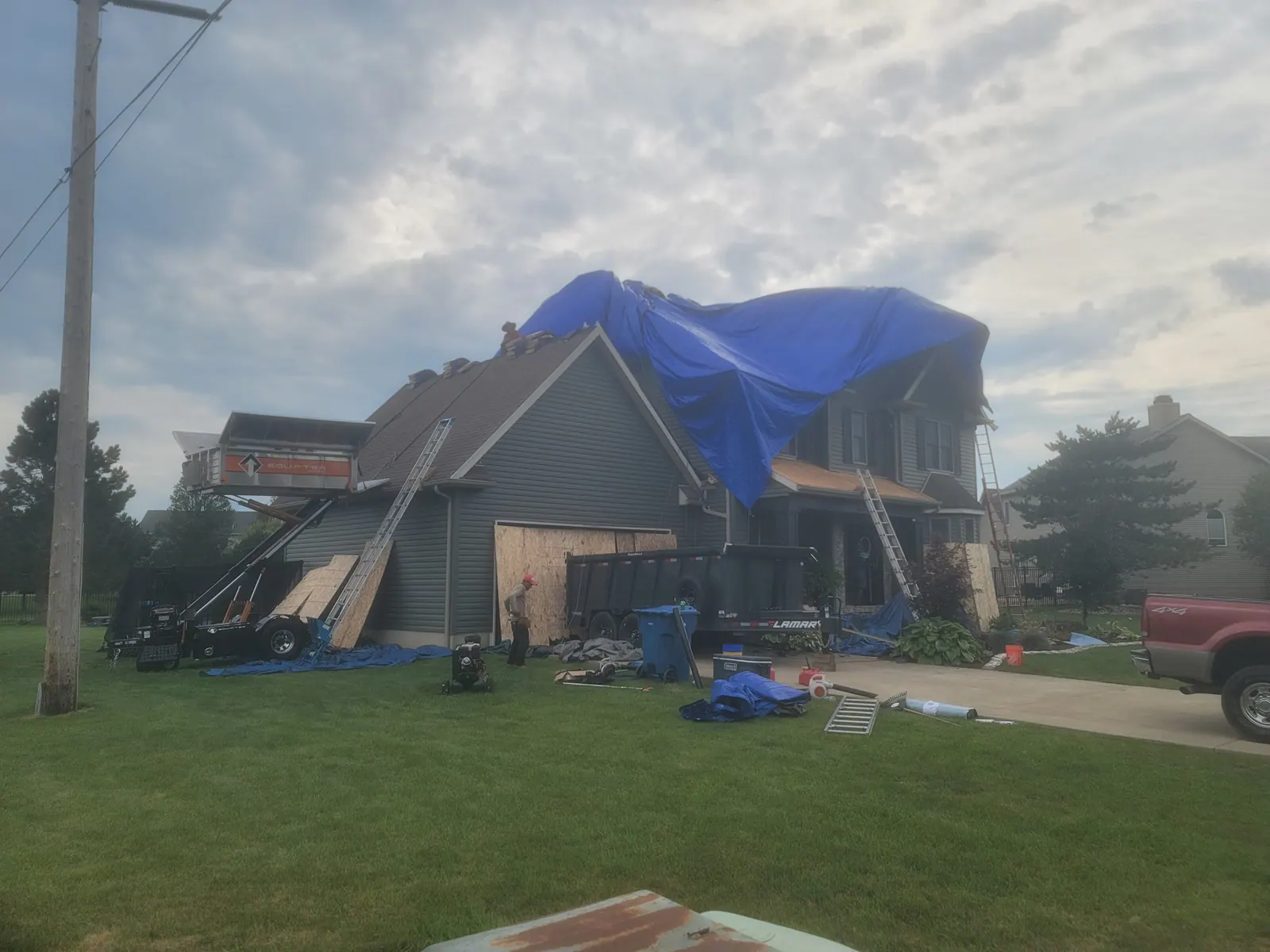
Wind-lifted siding, hail-damaged trim, branches through roofing, storm damage affects multiple systems at once. We work from the outside in, starting with whatever is still exposed to weather.
rot and deterioration repair work, professional service in Charlotte, NC

Rot and Deterioration Repair

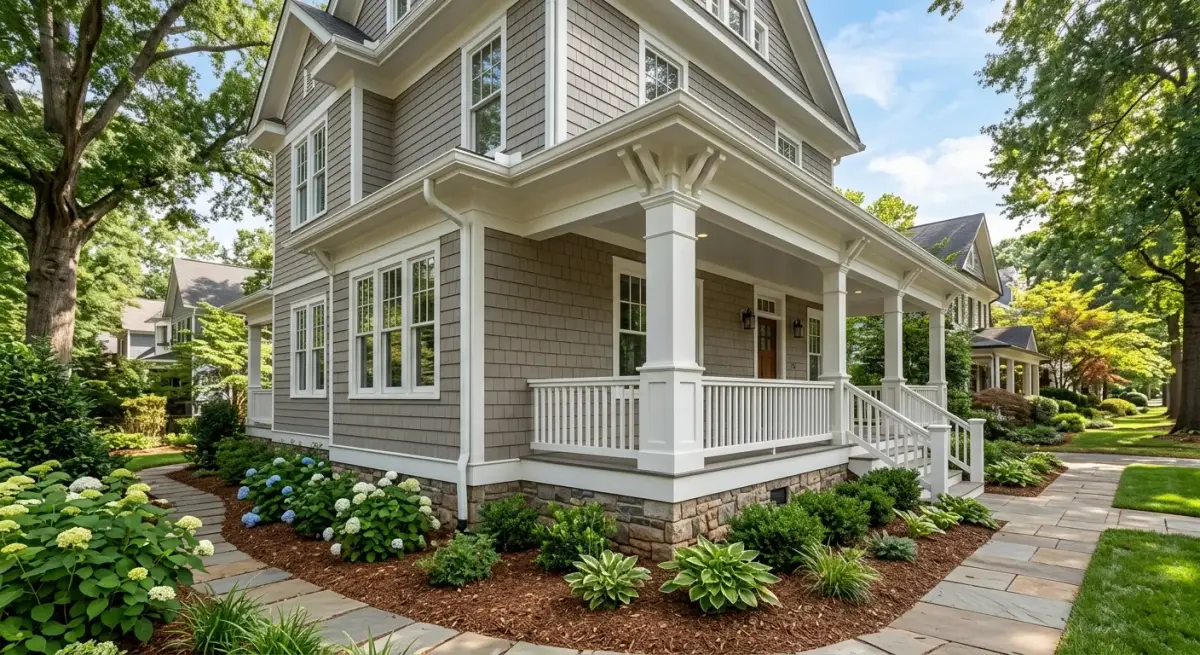
Older homes around the region accumulate rot in fascia, window framing, and exterior trim. Left alone it spreads. We cut out what's gone and rebuild it correctly, which sometimes means replacing windows or exterior elements that held the rot.

Interior Finish Restoration

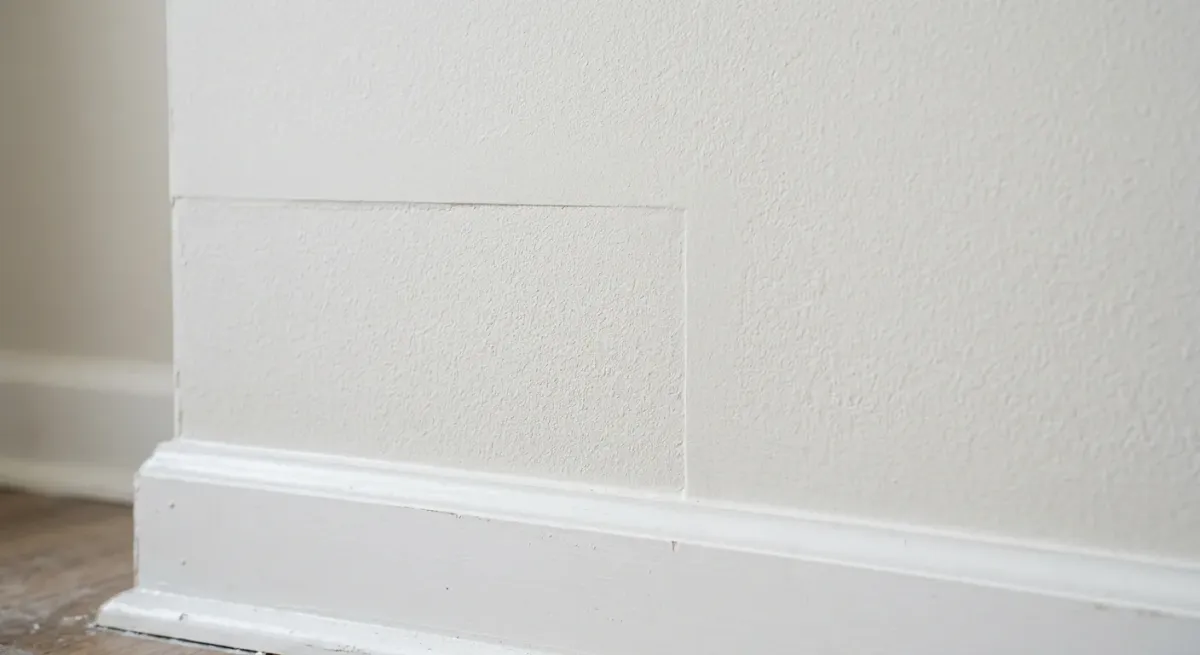
Damaged drywall, compromised subfloors, ceiling sections that need replacement after a leak is fixed, we handle the finish work that makes a repaired area look like nothing happened.

Siding and Exterior Restoration

A section of siding failed, or impact damage cracked the cladding and let moisture behind it. We replace what's damaged and match to existing where possible so the repair doesn't announce itself.

How We Work

The Restoration Process, Start to Finish

No surprises, no scope creep without a conversation first.

  1. 01

    Honest Assessment

    We look at what's damaged, trace where it started, and tell you what actually needs repair versus what can wait. No inflated scope.

  2. 02

    Clear Estimate

    You get a written estimate before any work starts. The owner has 20 years in this trade. He can read a damage situation accurately and scope it without padding.

  3. 03

    Repair and Restore

    We fix the cause first, then the damage it left behind. Interior finish work, exterior patching, structural repair, handled in the right order so the fix holds.

What Good Restoration Work Looks Like

This is worth saying plainly because there's a lot of bad restoration work out there. Good restoration means you fix the source of the damage, not just the surface evidence of it. A contractor who paints over a water stain without addressing why the stain is there has taken your money and left the problem. Clint won't do that. If a leak traced back to a roofing issue, it gets fixed at the roof. If rot in a window frame came from failed exterior repairs letting water behind the trim, the trim gets rebuilt properly. The finished repair should be invisible, and more importantly, it should stay that way. Customers like Victoria Hitchcock have seen the difference firsthand: after two previous contractors failed to fix a recurring roof leak, Clint repaired it correctly, cleaned up, and guaranteed the work. That's the standard.
water damage repair work, professional service in Charlotte, NC

What Restoration Work Includes

Scope varies by damage type, this covers the most common work involved.

  1. 01

    Damage source identification

    Finding where the water, wind, or deterioration originated, not just treating the visible symptom.

  2. 02

    Structural repair where needed

    Subfloor, framing, decking, or load-bearing elements affected by the damage.

  3. 03

    Drywall removal and replacement

    Saturated or compromised drywall gets pulled and replaced, not dried in place and painted over.

  4. 04

    Exterior system repair

    Roofing, siding, trim, windows, or fascia that failed and allowed damage inside.

  5. 05

    Interior finish restoration

    Ceiling, wall, and floor finish work so the repaired area matches what was there before.

  6. 06

    Painting and surface finish

    Matched painting on repaired surfaces so the restoration doesn't leave a patchwork behind.

When to Call vs. When to Wait

  1. 01

    Active water intrusion

    Call immediately. Every day it continues, the damage scope grows and the repair cost follows.

  2. 02

    Storm damage with exposed structure

    Call within 24 to 48 hours. Cover what you can, but get an assessment before the next weather event.

  3. 03

    Rot or long-term deterioration

    Schedule an assessment soon. It won't fix itself, and it doesn't stay contained, but you have a short window to plan before it spreads.

Areas Served for Restoration Work

Greater Charlotte Contracting handles restoration projects across the Greater Charlotte metro and surrounding communities. Work is scheduled Monday through Friday, 8 AM to 6 PM. If you're in any of these areas and dealing with damage, reach out.

Get an Honest Assessment on Your Damage

Water damage, storm damage, or rot, the longer it sits, the worse it gets.

Frequently asked questions

Is restoration the same as renovation?
No, and the difference matters practically. Renovation is a choice, upgrading a kitchen, finishing a basement. Restoration is a response to damage that already happened. The work is reactive: you're repairing what a leak, storm, or prolonged deterioration broke. The scope is driven by what the damage affected, not what you wish looked different. Sometimes they overlap, a water-damaged bathroom might get restored and then remodeled, but they start from different places.
What are the typical steps in a home restoration project?
The sequence matters: first, find and stop the source. Second, remove what's been compromised, wet drywall, rotted framing, damaged roofing or siding. Third, rebuild the structural layer before touching the finish. Fourth, restore the interior or exterior surface so the repair holds and looks right. Skipping steps, especially patching over damaged material instead of removing it, is the fastest way to be doing this same repair again in two years.
How far does water damage typically spread inside a wall?
Further than it looks from the outside. Water follows the path of least resistance, which means it travels down studs, across top plates, and into subfloor material before it makes itself visible as a stain or bubble. A ceiling stain roughly the size of a dinner plate can indicate water that's spread several feet inside the wall cavity. That's why the only honest answer after a leak is to open the wall and see what's actually there, not guess from the surface.
Can you restore just a section of siding or roofing, or does it require replacing everything?
It depends on the extent of the damage and the age of the existing material. A small section of impact-damaged or rotted siding can often be replaced and matched closely without touching the rest. Roofing repairs follow the same logic. If the surrounding material is in decent condition, a targeted repair makes sense. If the existing system is at the end of its useful life anyway, a full replacement is often the more practical call. Greater Charlotte Contracting will tell you which situation you're actually in.
Does restoration work require permits in North Carolina?
It depends on scope. Cosmetic repairs, replacing drywall, patching interior finish, painting, generally don't. Work that touches structural elements, electrical, or plumbing systems typically does require a permit in NC. Greater Charlotte Contracting is licensed in North Carolina. Permit requirements get sorted out at the assessment stage, before any work begins, so there are no surprises mid-project.
What causes restoration projects to cost more than the initial estimate?
Almost always: hidden damage that wasn't visible until demolition started. A ceiling stain can look contained and then reveal a subfloor with active rot underneath it once the drywall comes down. The honest way to handle this is to scope what's visible, open things up carefully, and have a conversation before proceeding if something unexpected turns up. That's how Greater Charlotte Contracting approaches it, no work added to the scope without a direct conversation first.

Related