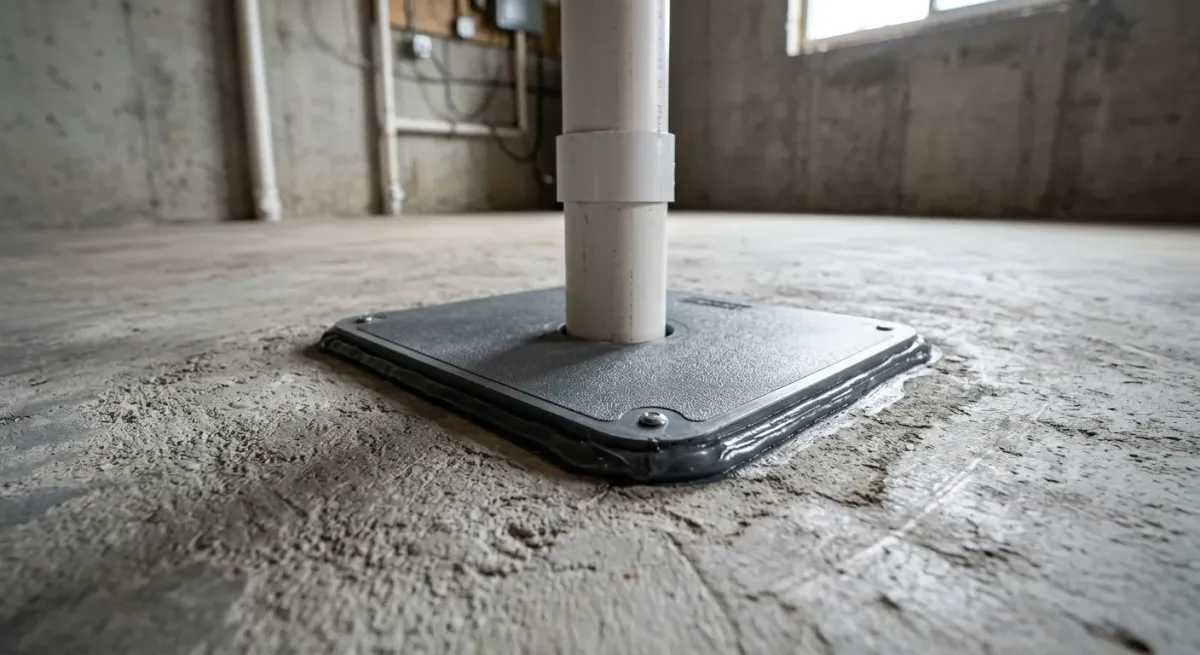
Sub-Slab Depressurization
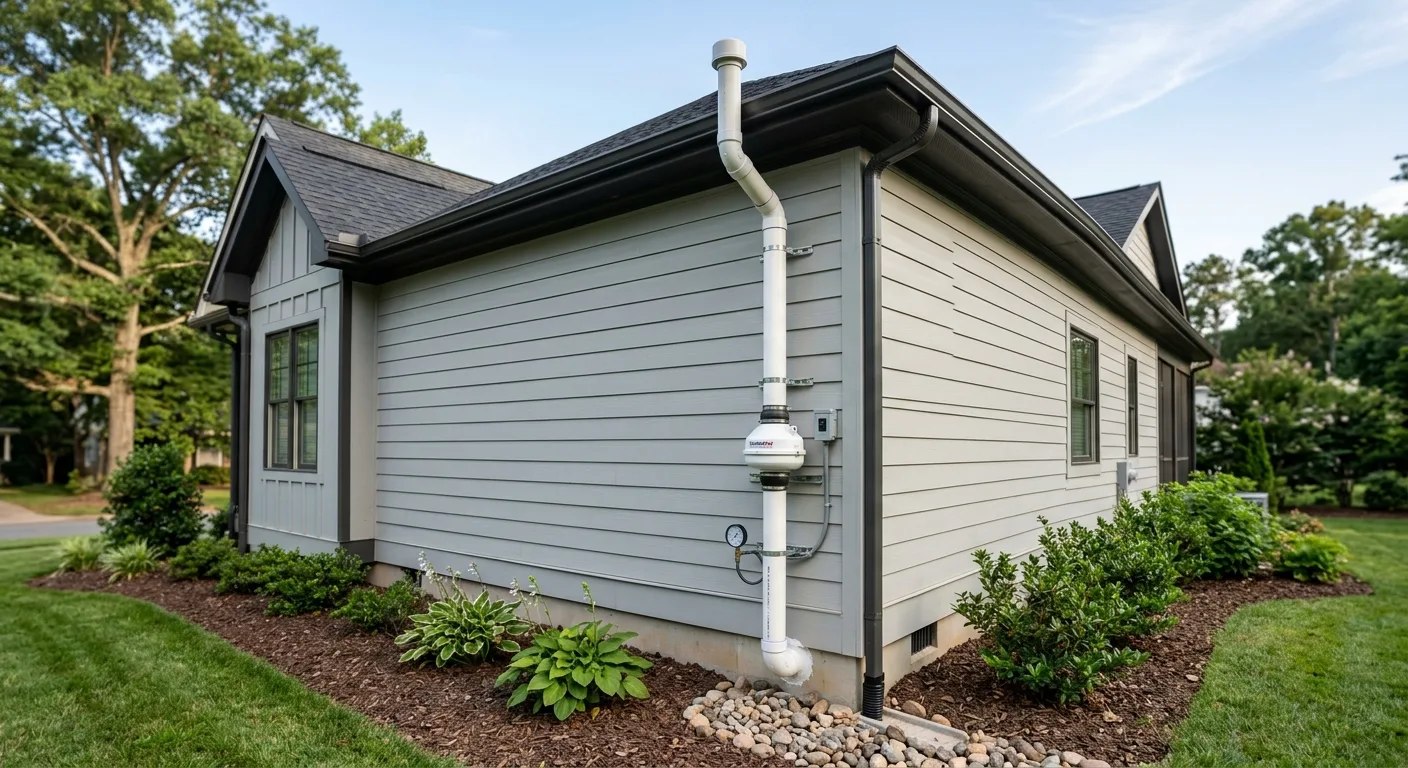
A suction pit is created beneath the slab, a PVC pipe routes from that pit through the structure, and a radon fan exhausts the gas above the roofline. This is the standard and most effective residential method.

Charlotte Local
Sub-slab depressurization installed correctly the first time, by a contractor who's been in the trade for over 20 years.
Free estimate
Three fields. It reaches a person here, not a call centre.
Radon mitigation is the process of installing a ventilation system that draws radon gas from beneath your home's foundation and exhausts it safely outside before it can accumulate to dangerous levels indoors. Greater Charlotte Contracting installs radon mitigation systems throughout the Greater Charlotte metro, combining genuine construction knowledge with an understanding of how these homes are actually built. Radon is the second leading cause of lung cancer in the United States, and the EPA recommends action any time a test reads 4 pCi/L or higher. If you've tested your home and gotten that number, don't sit on it. Call (704) 957-5323 and we'll scope the work honestly.
Most residential radon mitigation uses sub-slab depressurization: a pipe penetrates the slab or block foundation, a dedicated fan pulls radon-laden soil gas upward, and the exhaust discharges above the roofline or through an exterior wall away from windows and doors. What separates a system that actually works from one that just looks like it works is correct fan sizing, proper pipe routing, and an airtight penetration seal at the slab. Shortcuts at any of those points leave elevated radon in the living space. Cost varies based on foundation type, slab accessibility, pipe routing distance, fan specifications, and whether finishing work is needed around the penetration. Every job is different -- contact Greater Charlotte Contracting for an accurate estimate.
The Science
A properly installed system doesn't mask the problem -- it eliminates the pathway radon uses to enter the home.
A suction pit is created beneath the slab, a PVC pipe routes from that pit through the structure, and a radon fan exhausts the gas above the roofline. This is the standard and most effective residential method.
The wrong fan does real harm -- too weak and it can't overcome soil resistance, too strong and it can depressurize the living space and pull conditioned air out. Proper sizing requires measuring sub-slab communication before specifying the unit.
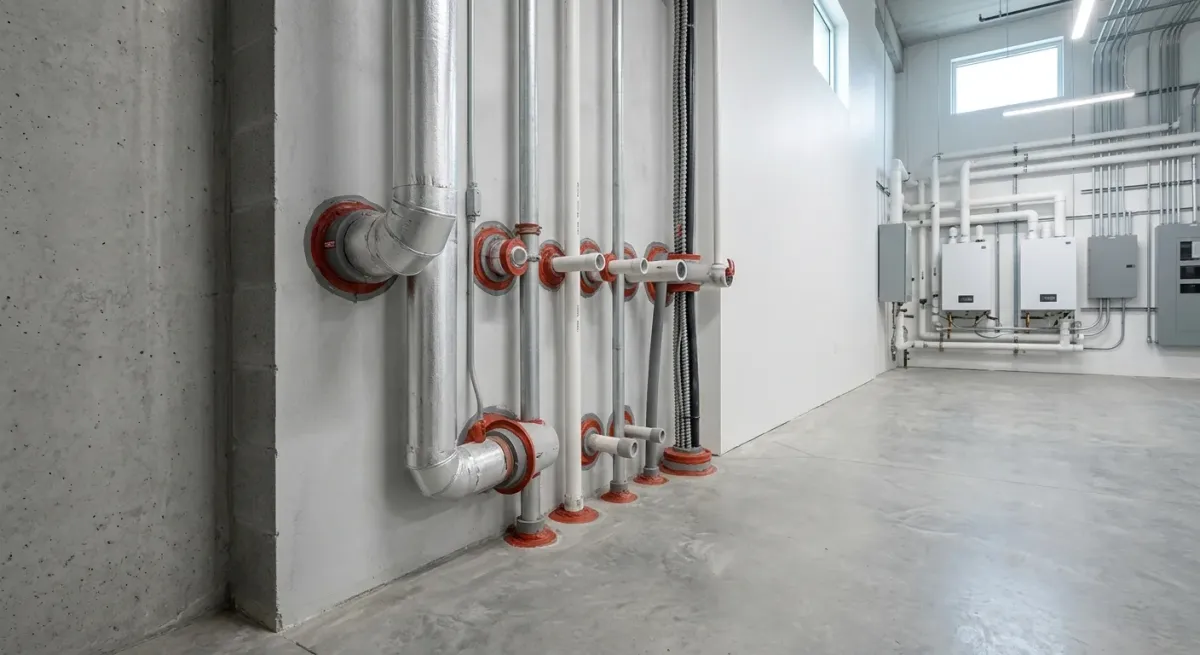
Where the pipe passes through the slab, the annular gap gets sealed with hydraulic cement and expanding foam. An unsealed penetration defeats the pressure differential the system depends on.
A mitigation system isn't confirmed effective until you test. We recommend a short-term or long-term radon test after installation. The number on that test is the only honest measure of whether the system is working.
How It Works
Radon mitigation installation is typically a one-day job when the foundation and routing conditions are straightforward. Here's what that day looks like.
We evaluate your foundation type, slab thickness, utility locations, and the most direct pipe routing to an appropriate exhaust point. This determines fan specifications and material requirements before a single hole is drilled.
A suction pit is cored through the slab, the pipe is routed and supported, the fan is mounted and wired, and all penetrations are sealed. The exhaust terminates above the roofline or at an approved exterior location away from windows.
We confirm the system is operating correctly, explain the pressure indicator gauge so you know at a glance if the fan has stopped running, and walk you through scheduling a post-installation radon test.
At a Glance
Structured for clarity -- these are the facts that matter most when you're deciding whether to act.
At or above this level, the EPA recommends mitigation. The average indoor radon level in US homes is 1.3 pCi/L. A reading of 4 or higher is a clear signal to install a mitigation system.
Radon is considered a pre-existing environmental condition, not sudden damage. Most standard policies exclude it. Some home warranty plans include testing but not mitigation installation.
This is the EPA-preferred method for slab-on-grade and basement foundations. Results depend on proper fan sizing and seal integrity at the slab penetration.
A system that looks right may not perform correctly if sub-slab communication is poor or the fan is undersized. The post-installation test confirms actual reduction and gives you a documented baseline.
We don't spec a system until we understand the foundation, the soil communication, and the routing constraints. That assessment is what prevents an undersized fan or a pipe that dead-ends in poor sub-slab material.
Schedule 40 PVC, code-compliant penetration sealing, properly rated radon fans from manufacturers with real warranties. We're not buying the cheapest components and hoping the test comes back clean.
The estimate you receive describes exactly what's being installed and why. If your foundation type or routing conditions require something extra, you'll know before work starts -- not when the invoice arrives.
Finishing or renovating a basement? Radon testing and mitigation should precede any enclosure work. We handle both so the sequence is correct.
Water intrusion and radon entry often share the same pathways. Foundation cracks that let moisture in also let radon in. We address both when the scope calls for it.
Smaller jobs around the lower level -- sealing cracks, patching penetrations, repairing interior access points -- can run alongside the mitigation work rather than requiring a separate call.
Clint at Greater Charlotte Contracting carries 20-plus years of construction experience and a 5-star rating across 17 Google reviews. Here's what that actually means for radon mitigation work.
Licensed contractor in NC
Verifiable through the NC Licensing Board -- not a claim, a credential.
5.0 stars across 17 Google reviews
Every review names the owner by name. Read them before you call.
Owner on-site, not managing from an office
20+ years of hands-on construction experience means he's seen how these systems fail. He installs them correctly the first time.
Available Monday through Friday, 8AM to 6PM
No emergency-service promises. Straightforward availability and honest scheduling.
FAQs
Greater Charlotte Contracting installs radon mitigation systems throughout the Greater Charlotte metro and surrounding communities. We're available Monday through Friday, 8AM to 6PM.
If your test came back at 4 pCi/L or higher, the path forward is straightforward. Call Greater Charlotte Contracting and we'll scope the installation honestly.